

773.429.9166
Creating Magical Memories That Last a Lifetime
773.429.9166
Creating Magical Memories That Last a Lifetime

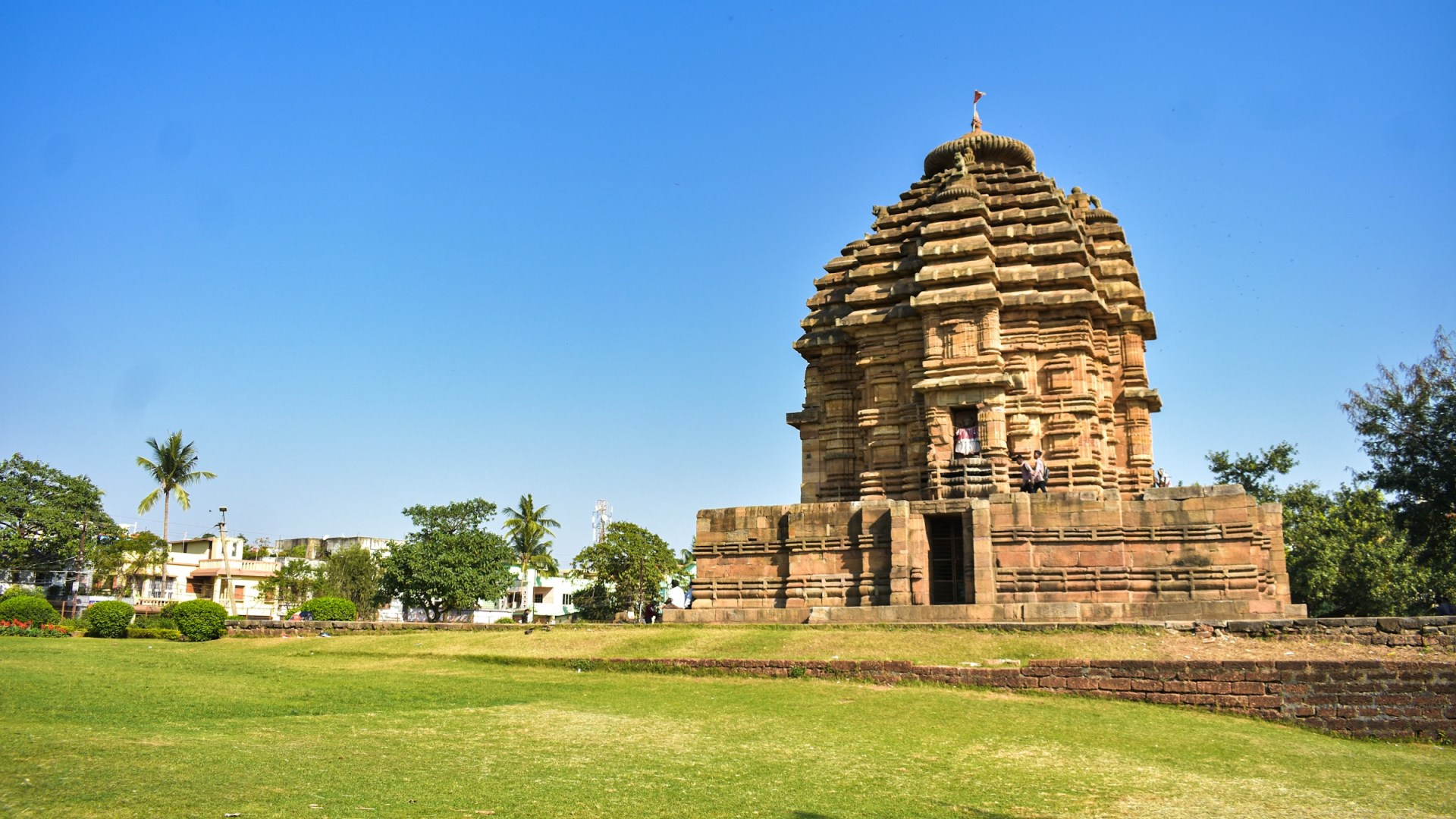
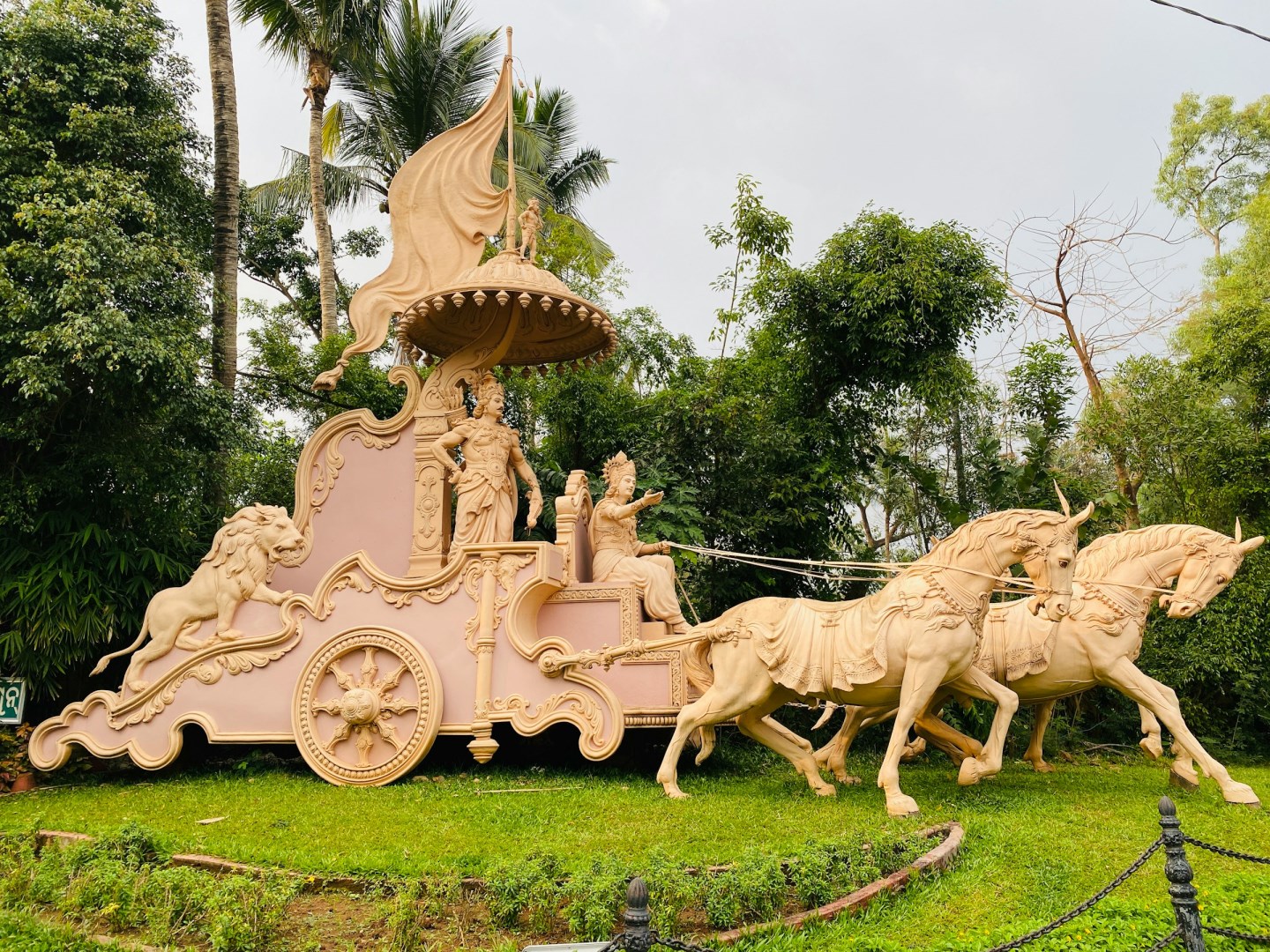
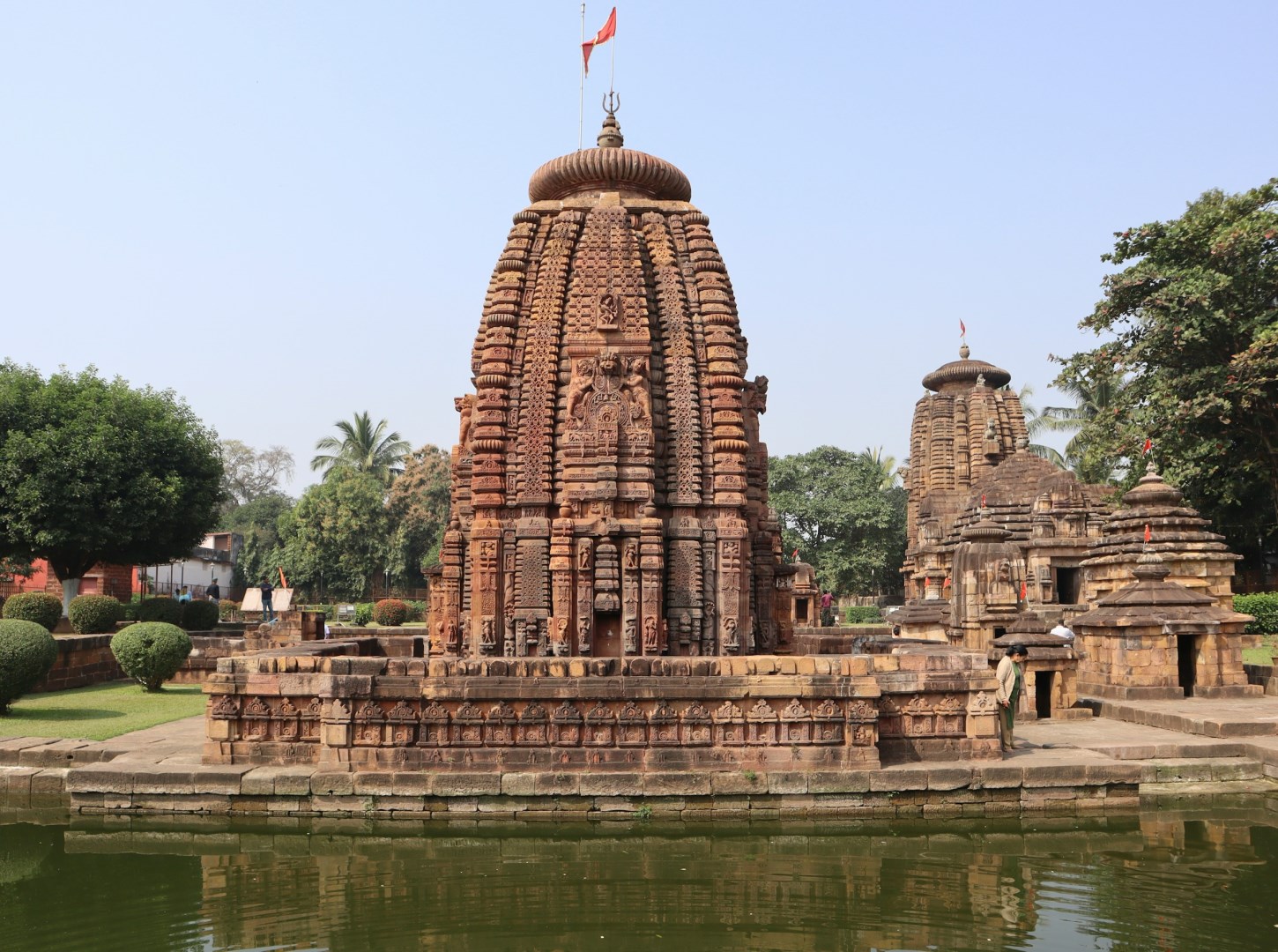
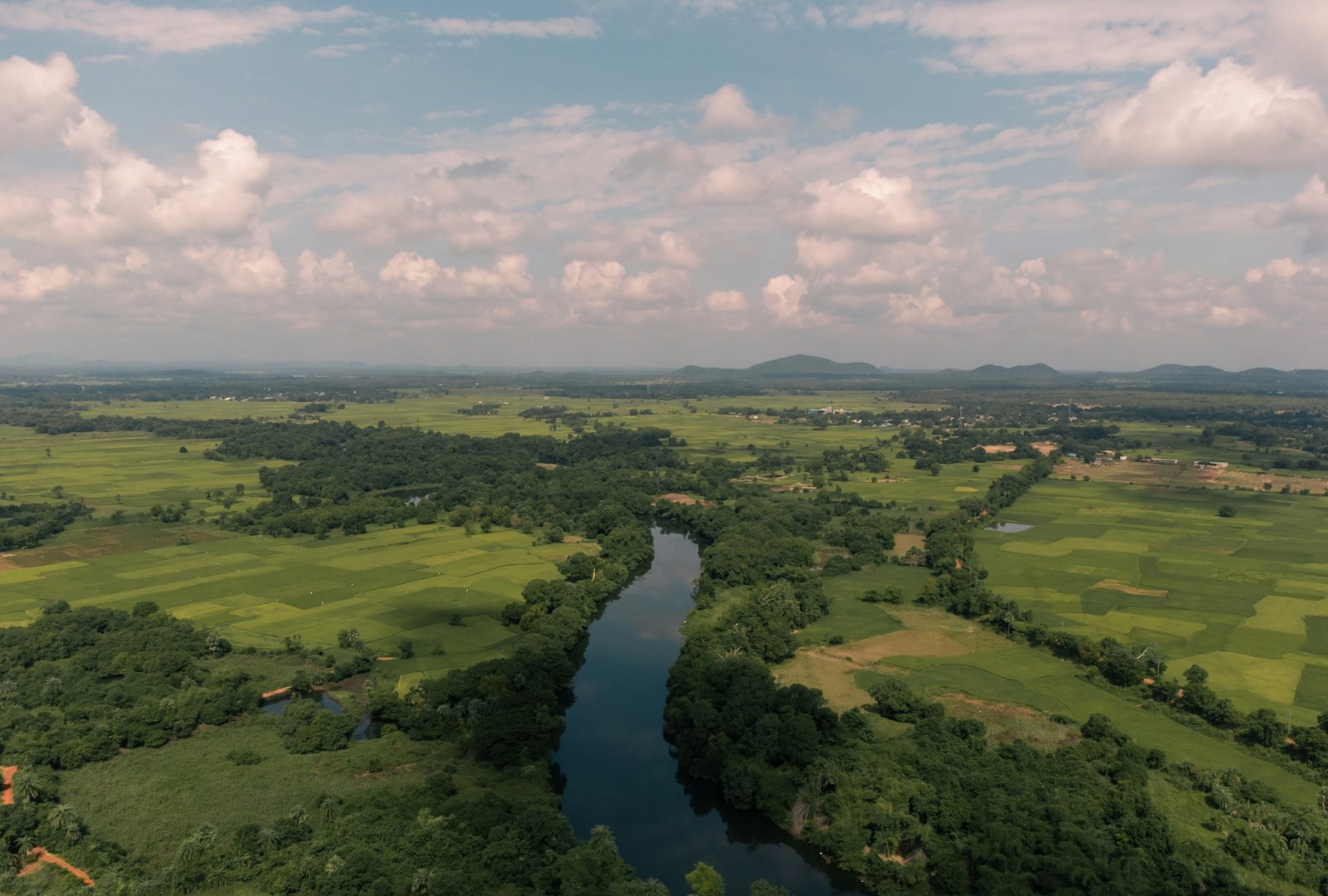

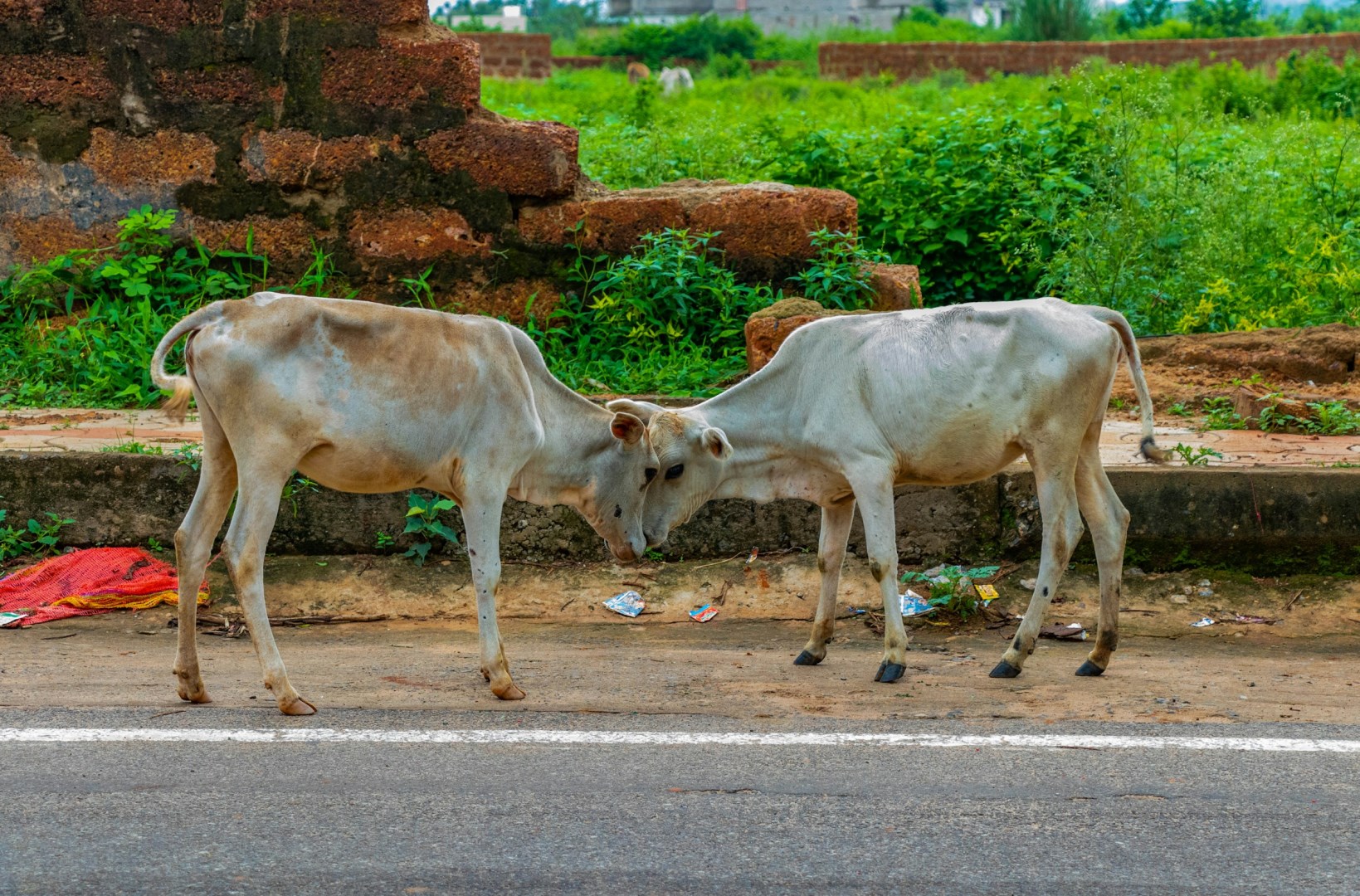

Bhubaneswar is the capital of Odisha in eastern India and a major center of temple architecture, religion, education, and modern administration. Often associated with the title “Temple City,” it combines a growing contemporary city with an old quarter filled with stone shrines and sacred tanks. The city developed around the Ekamra Khetra area, where numerous temples reflect the Kalinga style of architecture. Beyond its historic core, Bhubaneswar has broad roads, parks, museums, markets, and residential districts, making it a useful starting point for exploring the wider cultural landscape of Odisha.
Bhubaneswar’s cultural identity brings together Hindu, Buddhist, and Jain traditions. Lingaraj Temple is the city’s principal religious landmark and a major example of Kalinga temple architecture, with extensive carvings and numerous subsidiary shrines surrounding its central sanctuary. The city’s religious calendar includes the Rukuna Rath Yatra associated with Lingaraj, as well as festivals connected with other temples. The Udayagiri and Khandagiri Caves provide a different perspective, with ancient rock-cut chambers originally associated with Jain monks. Odisha’s traditions of classical dance, handicrafts, and temple rituals are also strongly represented in the city.
The historic temple district contains several important monuments, including Mukteswar Temple, Parasurameswar Temple, Rajarani Temple, and Ananta Basudeva Temple. Their carved doorways, sculpted figures, and carefully proportioned structures demonstrate different stages of Odisha’s temple architecture. Outside the old city, Dhauli Hill is associated with Buddhist heritage and contains a peace pagoda overlooking the Daya River valley. The Udayagiri and Khandagiri Caves, about seven kilometers from central Bhubaneswar, contain carved chambers, inscriptions, and sculptures cut into two hills. Together, these sites give the city a varied architectural and religious landscape.
Food in Bhubaneswar reflects the distinctive cooking of Odisha, with rice, vegetables, lentils, seafood, and mustard-based preparations commonly appearing in local meals. Dalma, a preparation of lentils and vegetables, is closely associated with Odia cuisine, while pakhala bhata, fermented rice served with accompaniments, is especially suited to the region’s warm climate. Odisha is also known for sweets such as chhena poda and the Odia rasagola. Local handicrafts provide another cultural connection, with silver filigree, appliqué work, terracotta, stone carving, and handloom textiles represented in markets and craft centers around the city.
Pixie Dust & Paradise Travel, Inc.
Office:773.429.9166
https://www.facebook.com/pixiedustandparadisetravel
https://www.instagram.com/pixiedust_travel

COPYRIGHT PIXIE DUST & PARADISE TRAVEL, INC. 2016 AS TO DISNEY ARTWORK, LOGOS AND PROPERTIES: © DISNEY - SHIPS REGISTRY: THE BAHAMAS
Terms Of Use | Privacy Policy CST# 2063964-50 | FST# ST17873