

773.429.9166
Creating Magical Memories That Last a Lifetime
773.429.9166
Creating Magical Memories That Last a Lifetime


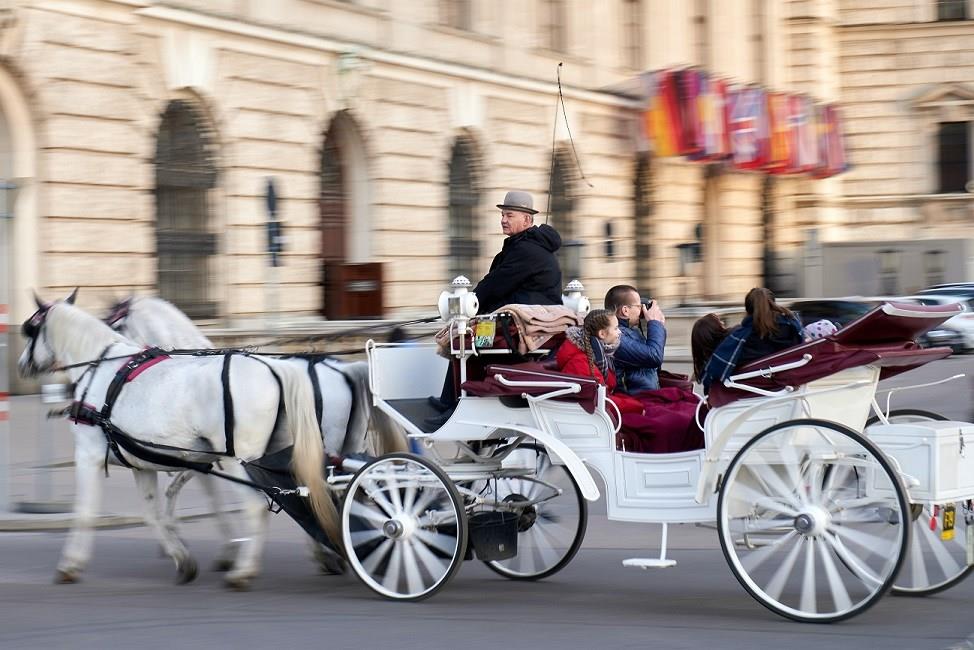

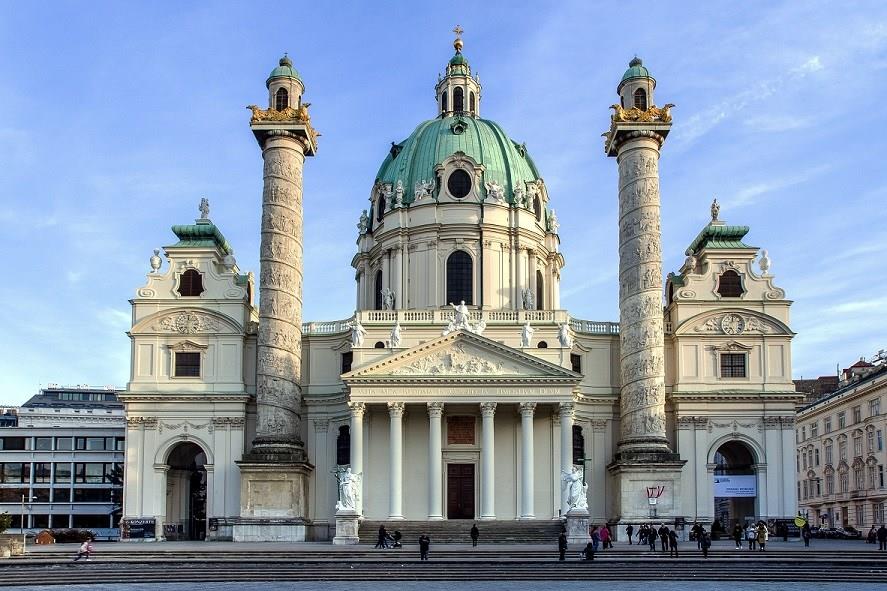

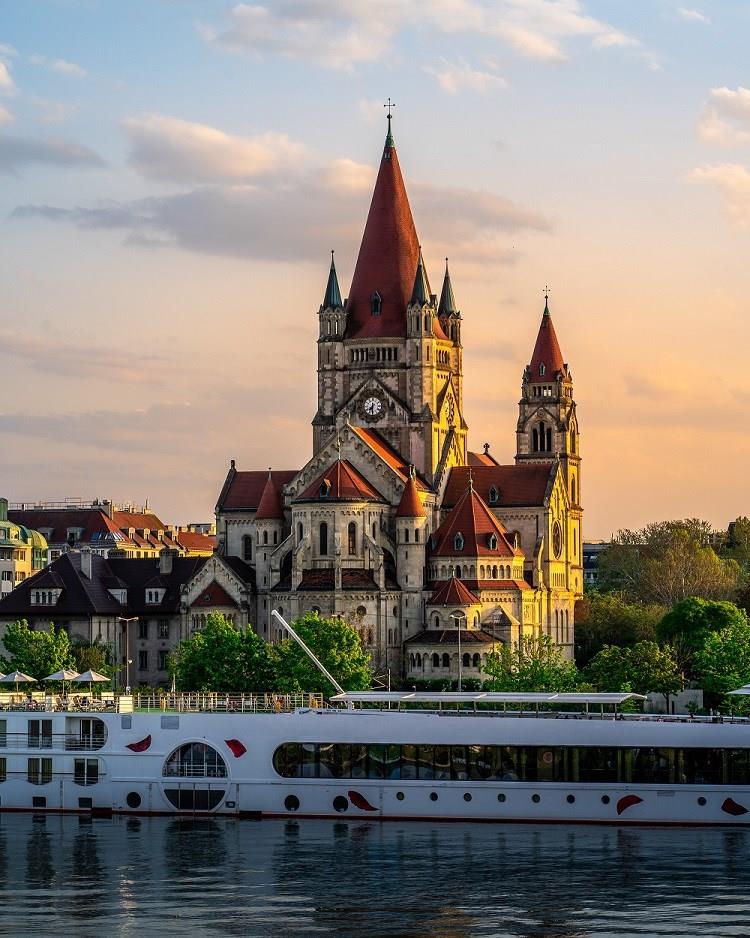

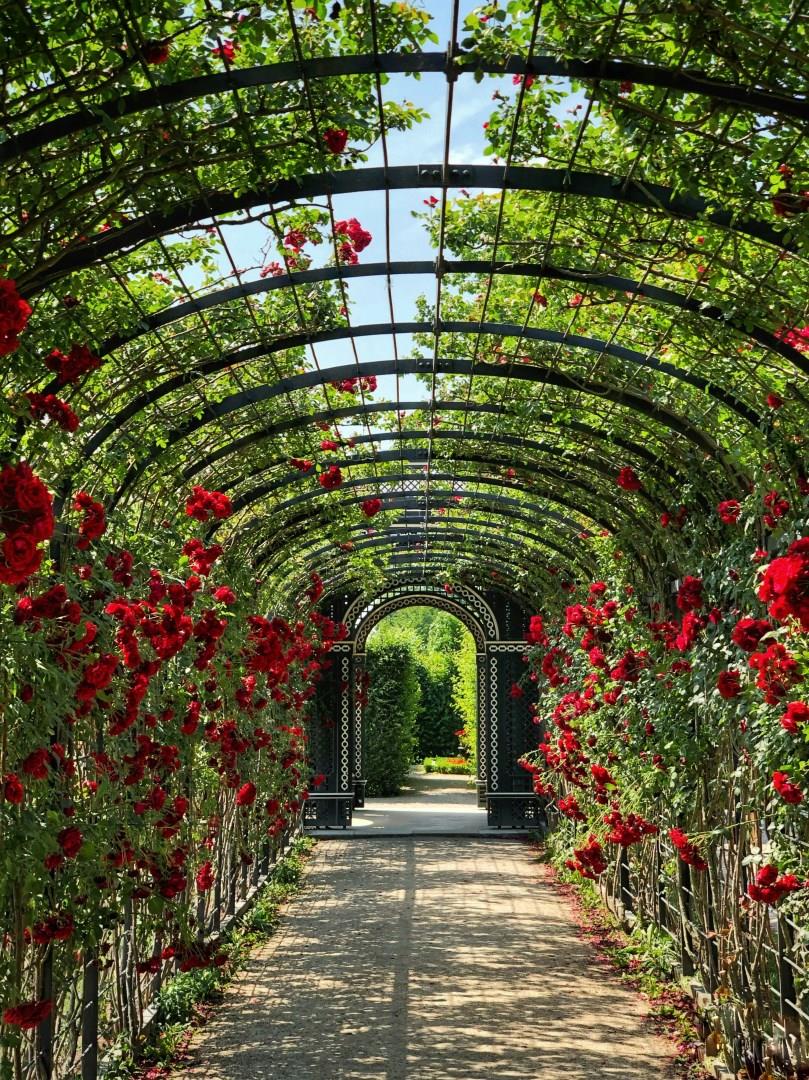
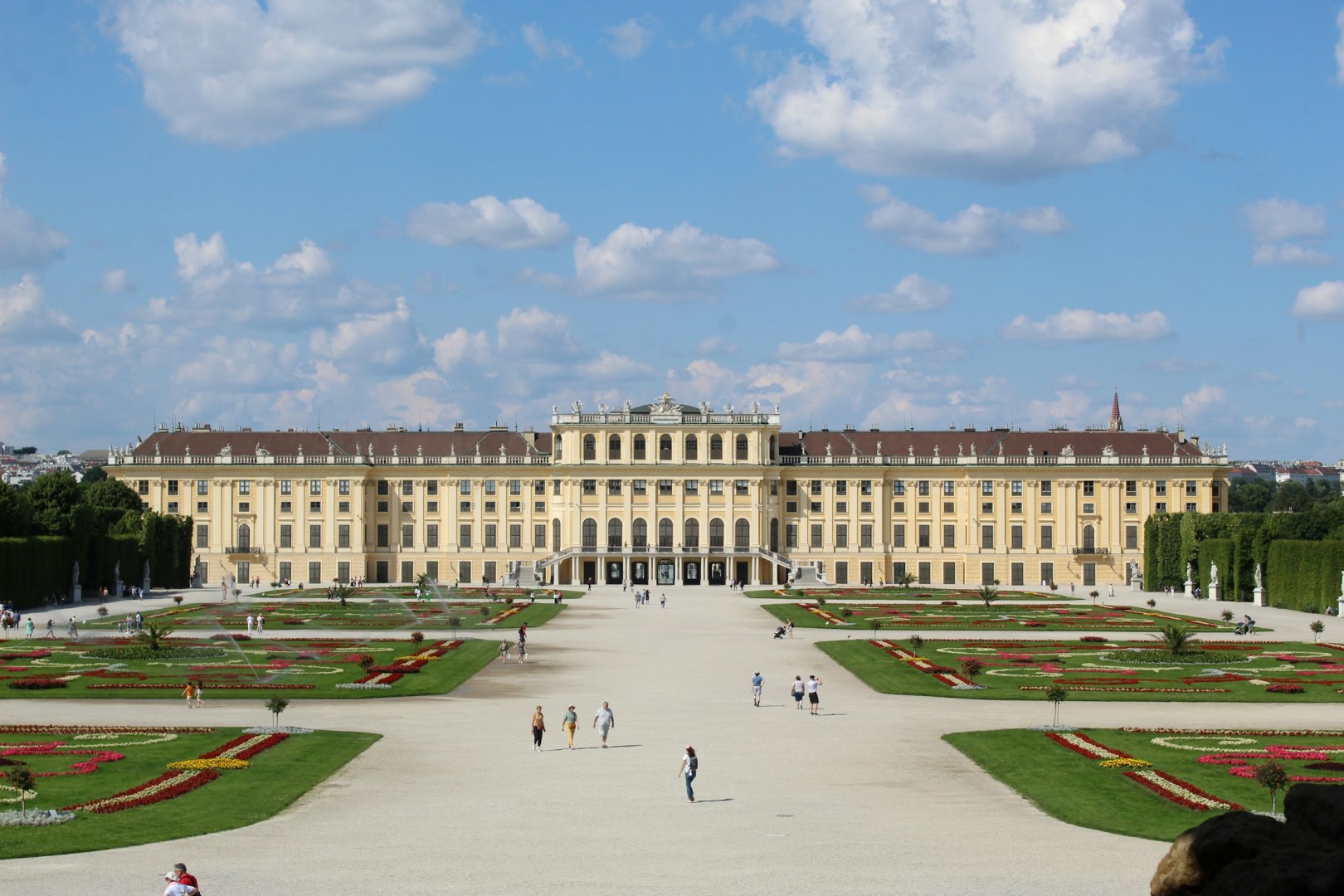
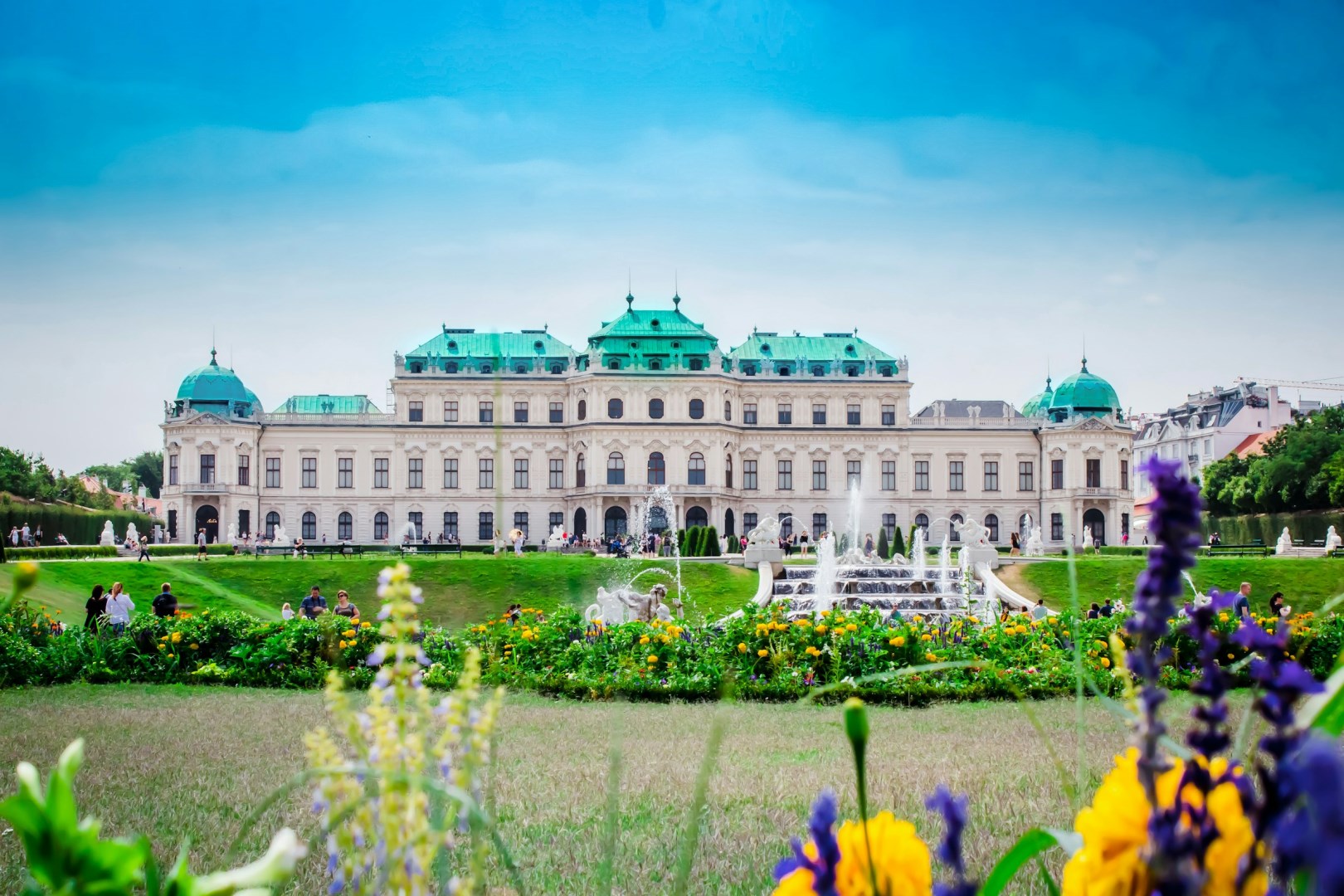
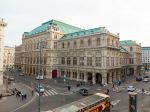
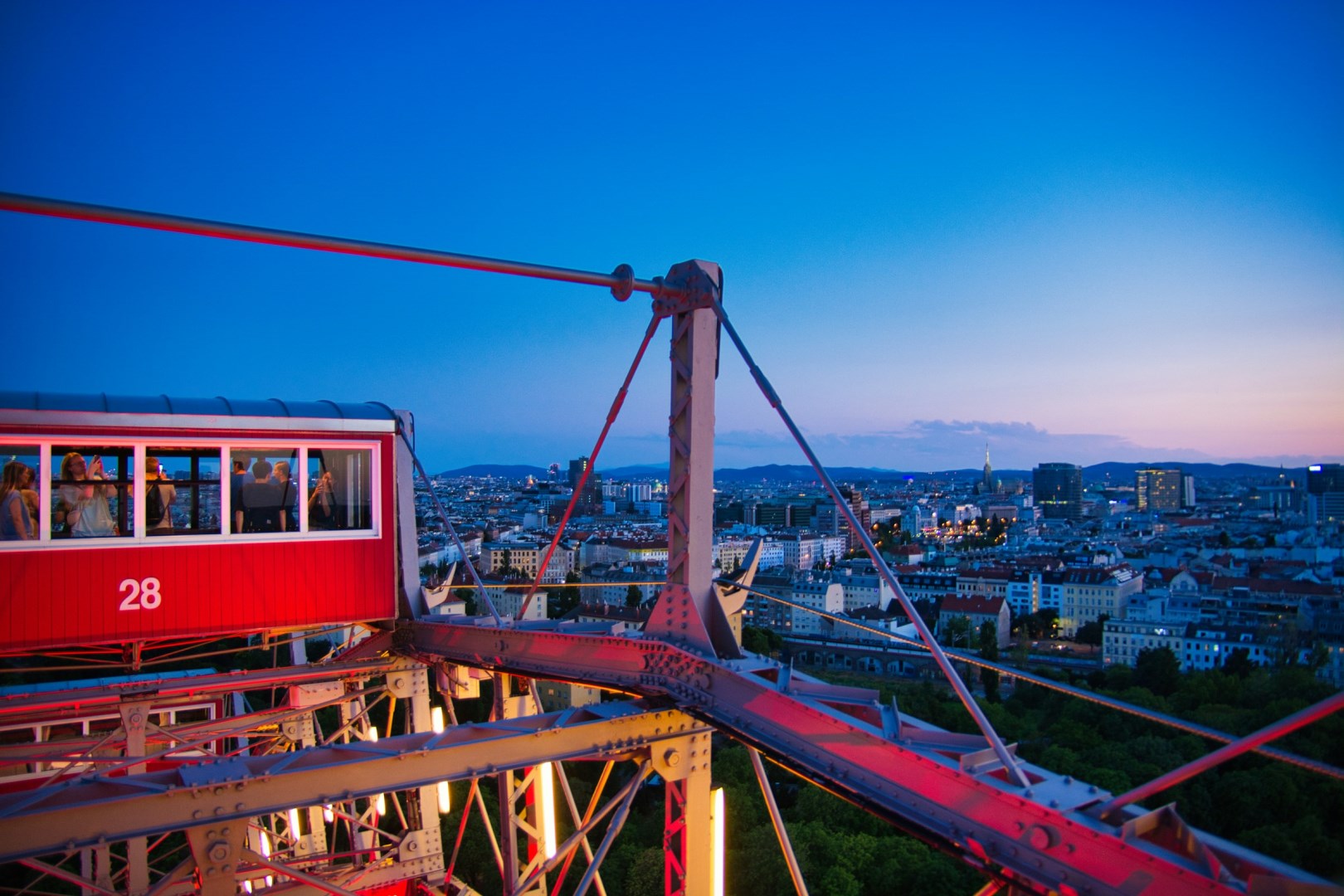
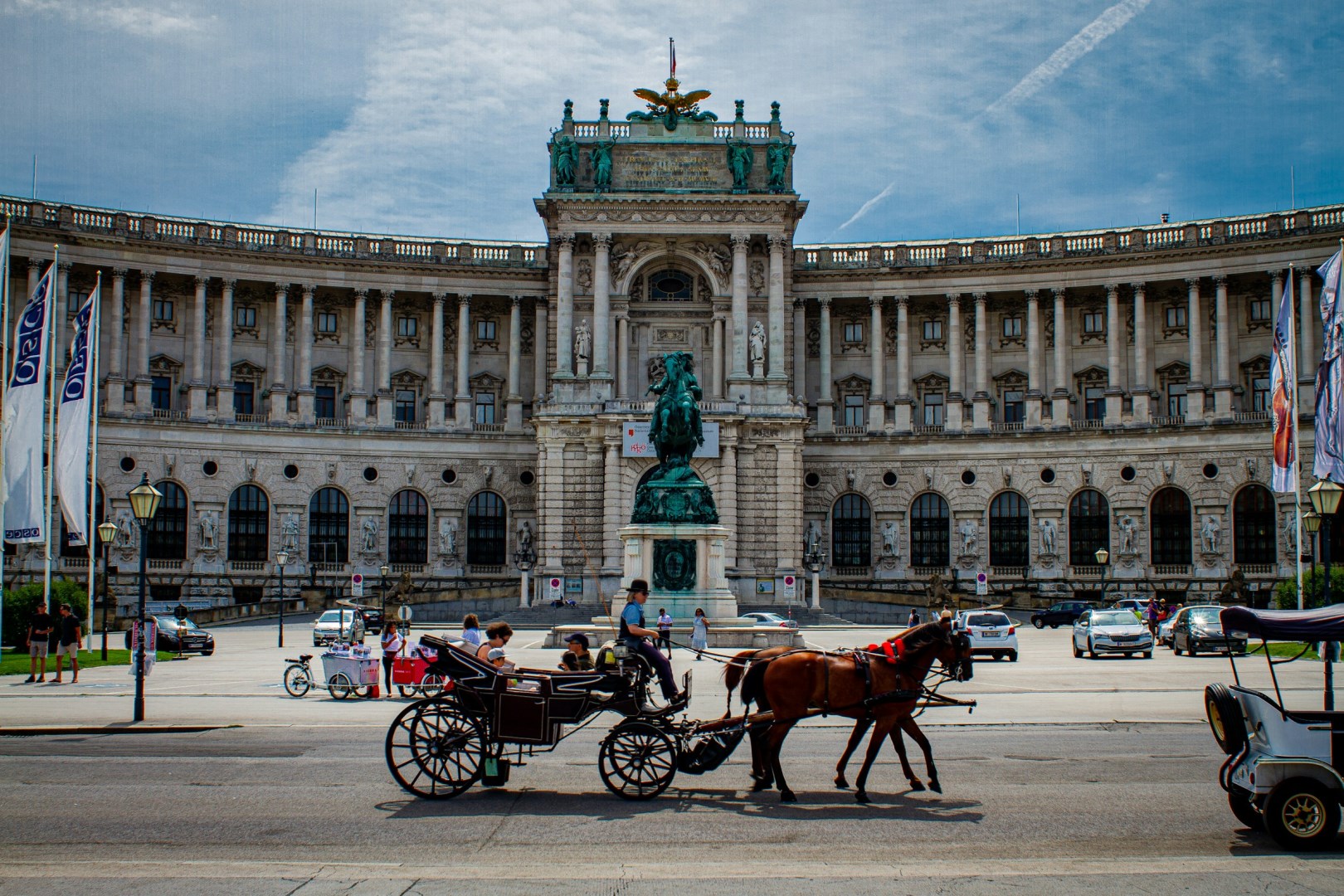
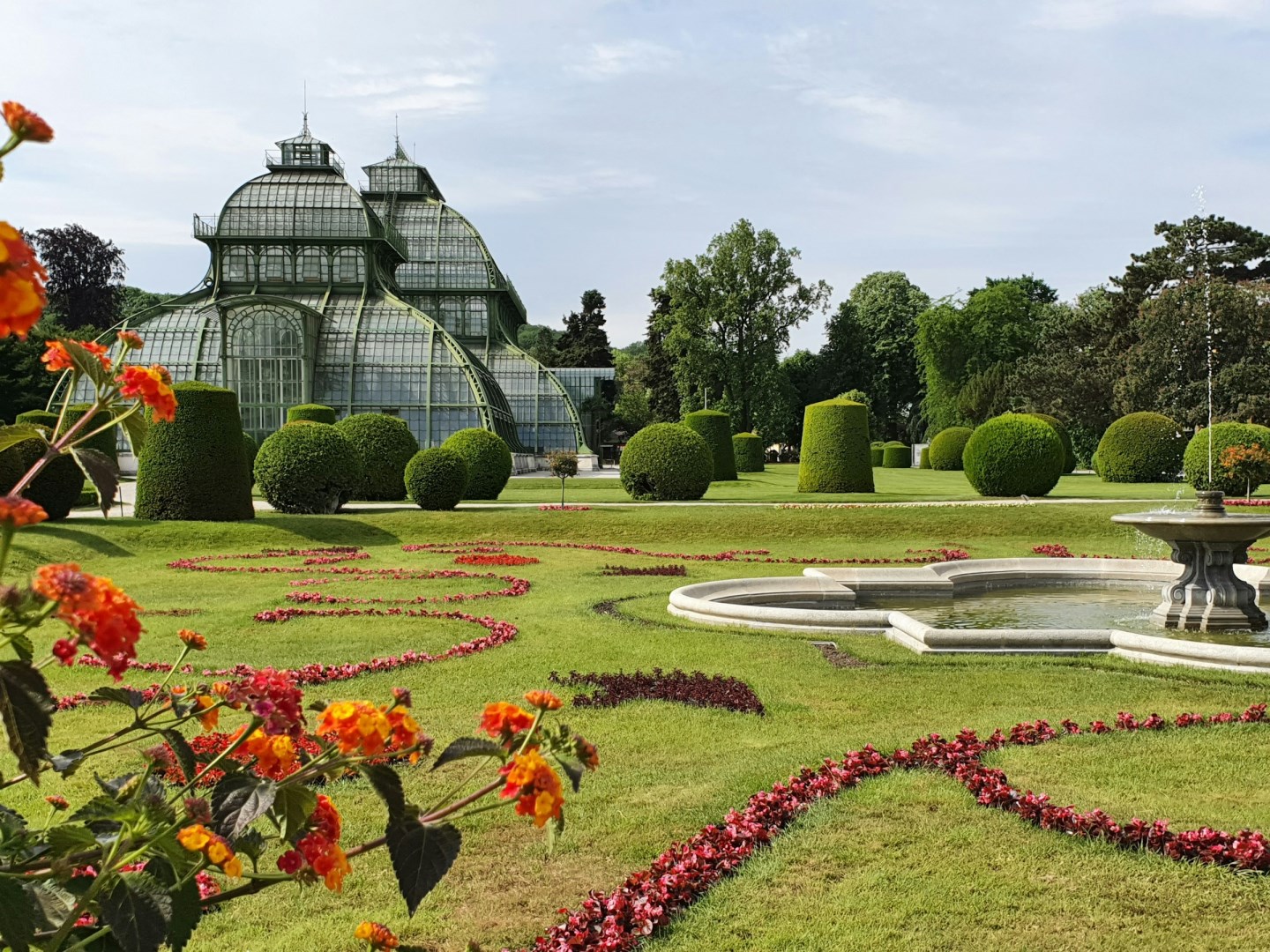
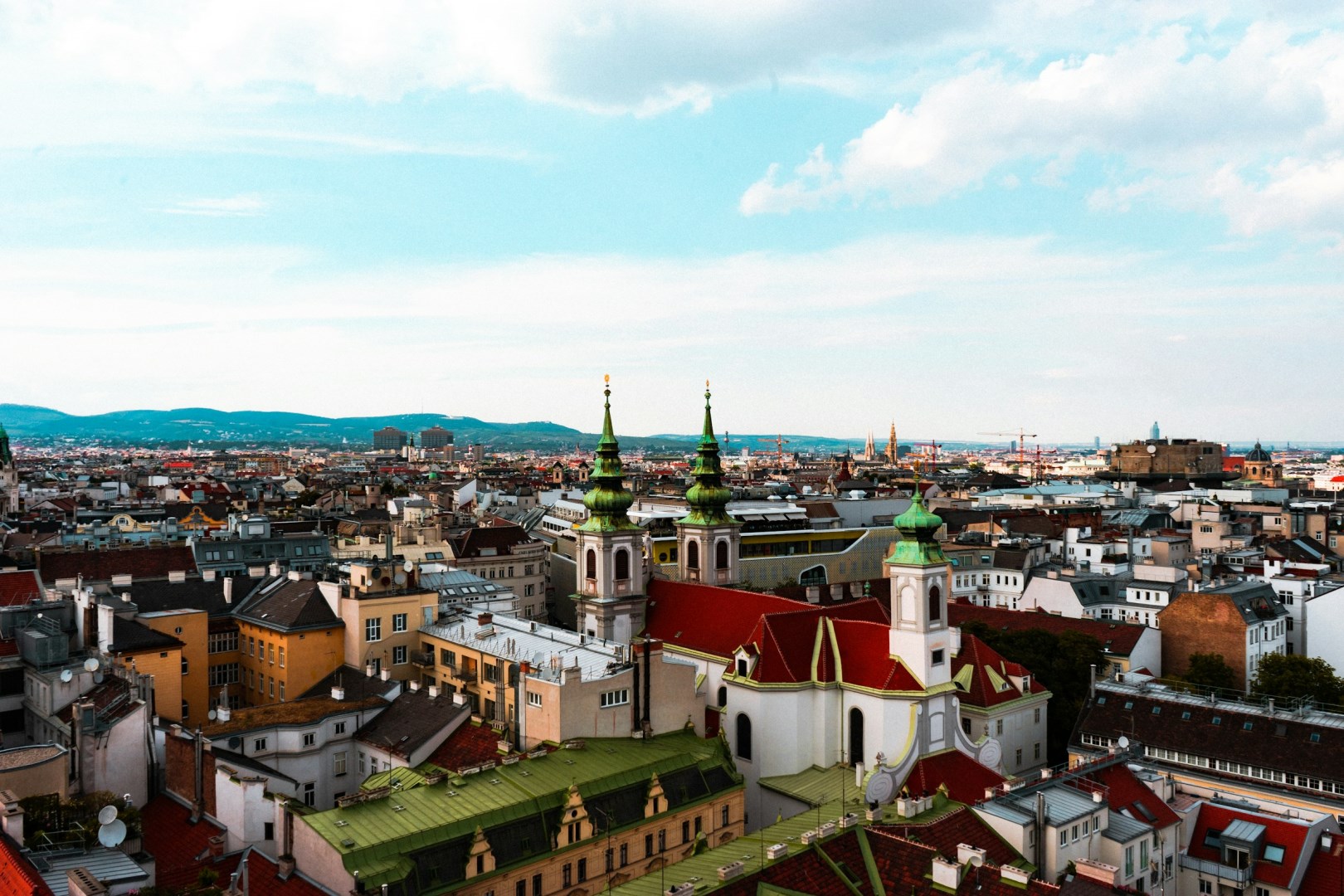
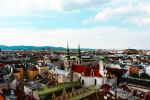
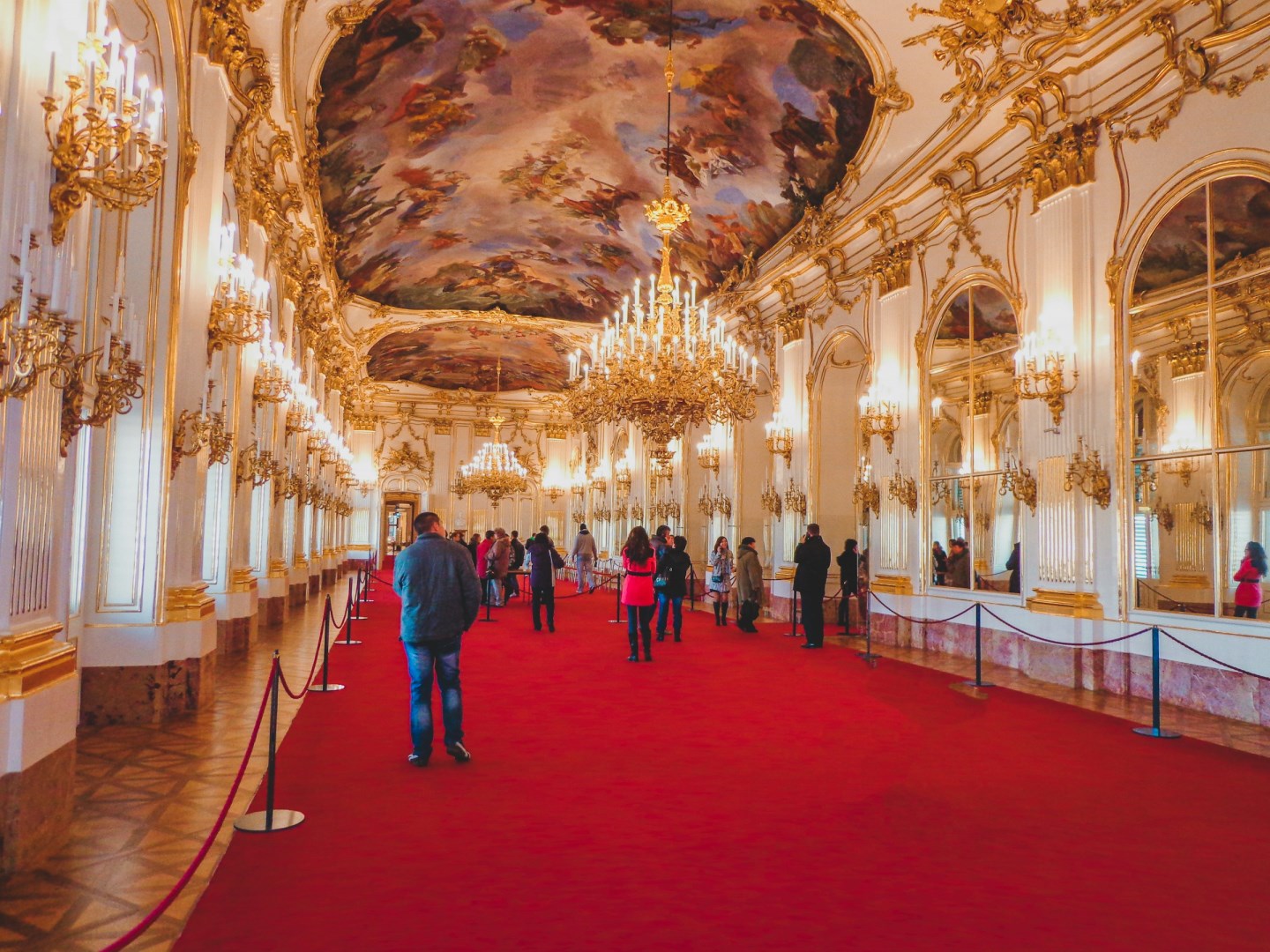
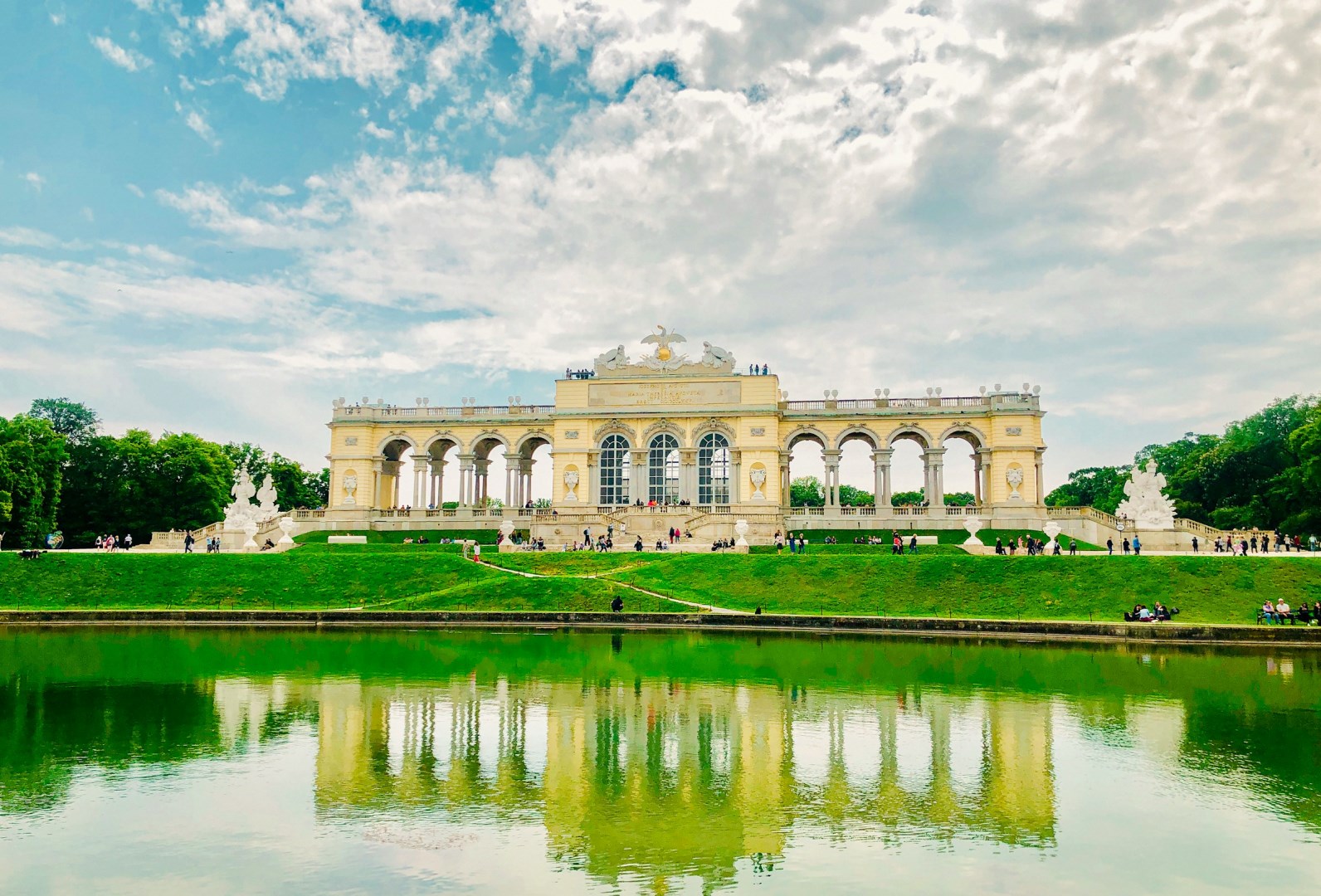
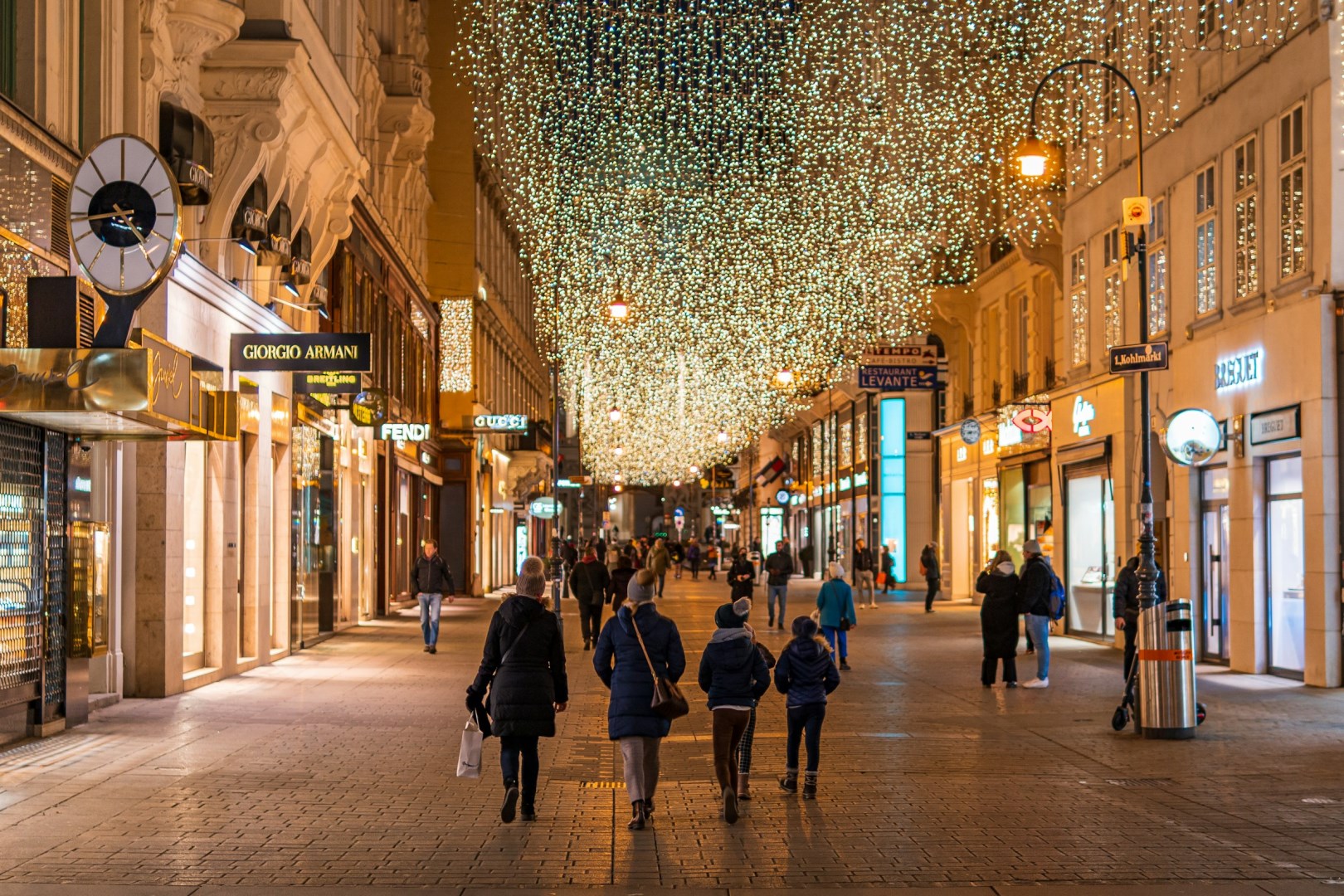
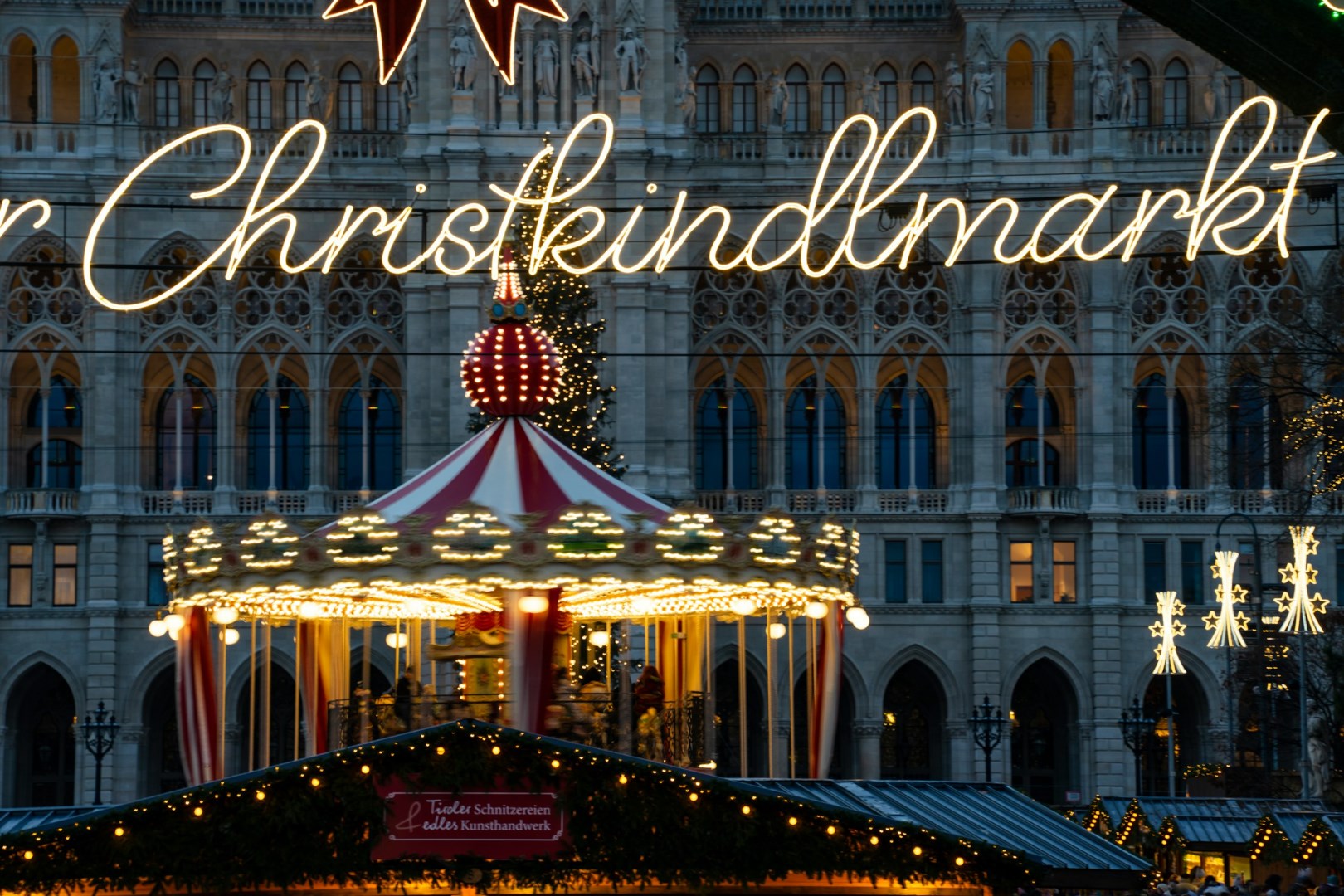
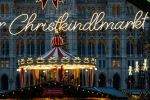
Vienna has a long memory. Once the capital of the Habsburg Empire, the city still carries signs of its imperial past in its palaces, concert halls, and wide boulevards. Visitors can walk through the Hofburg complex, where emperors once ruled, or tour the opulent rooms of Schönbrunn Palace, which features 1,441 rooms and a maze in its gardens. But Vienna’s many historic buildings now house contemporary art museums, cafés, and institutions that reflect the city’s modern identity.
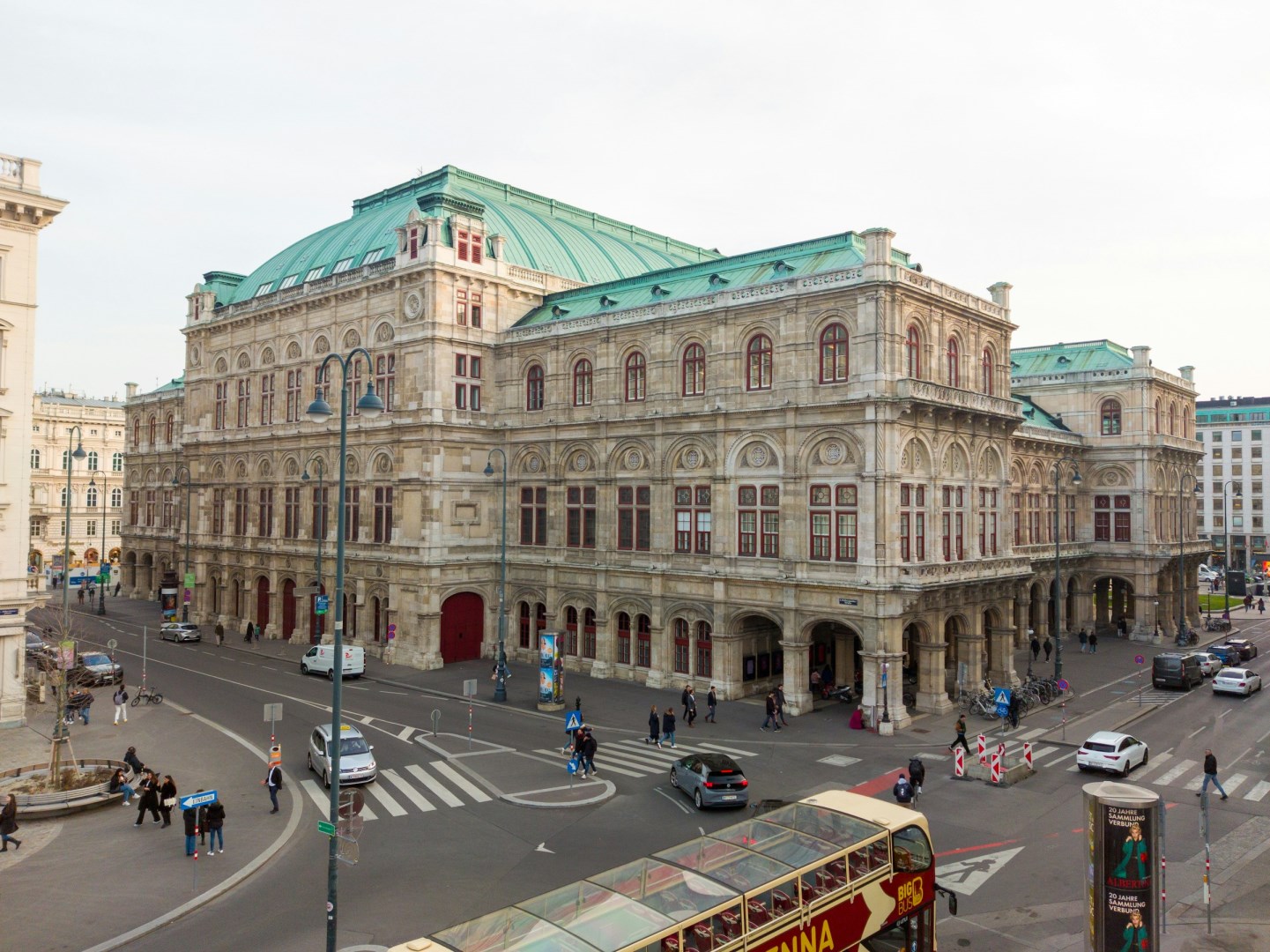
Music is woven into Vienna’s streets and daily life. The city was home to Mozart, Beethoven, and Strauss, and still hosts over 15,000 concerts a year. The Vienna State Opera stages performances nearly every evening from September to June, and tickets can be surprisingly accessible. For something different, visitors can attend a summer open-air film screening at Rathausplatz or hear a string quartet perform in one of the city’s many Baroque churches.
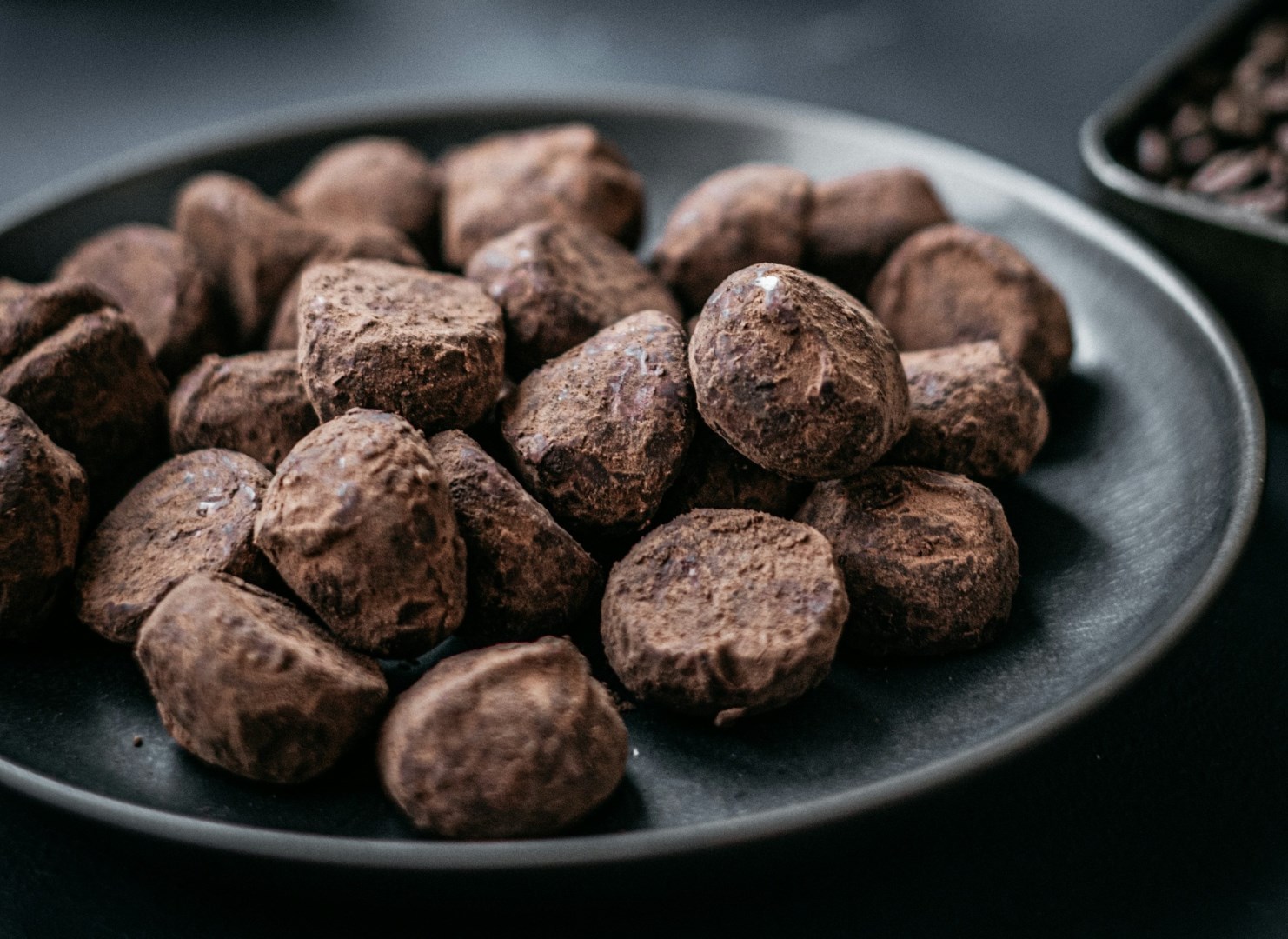
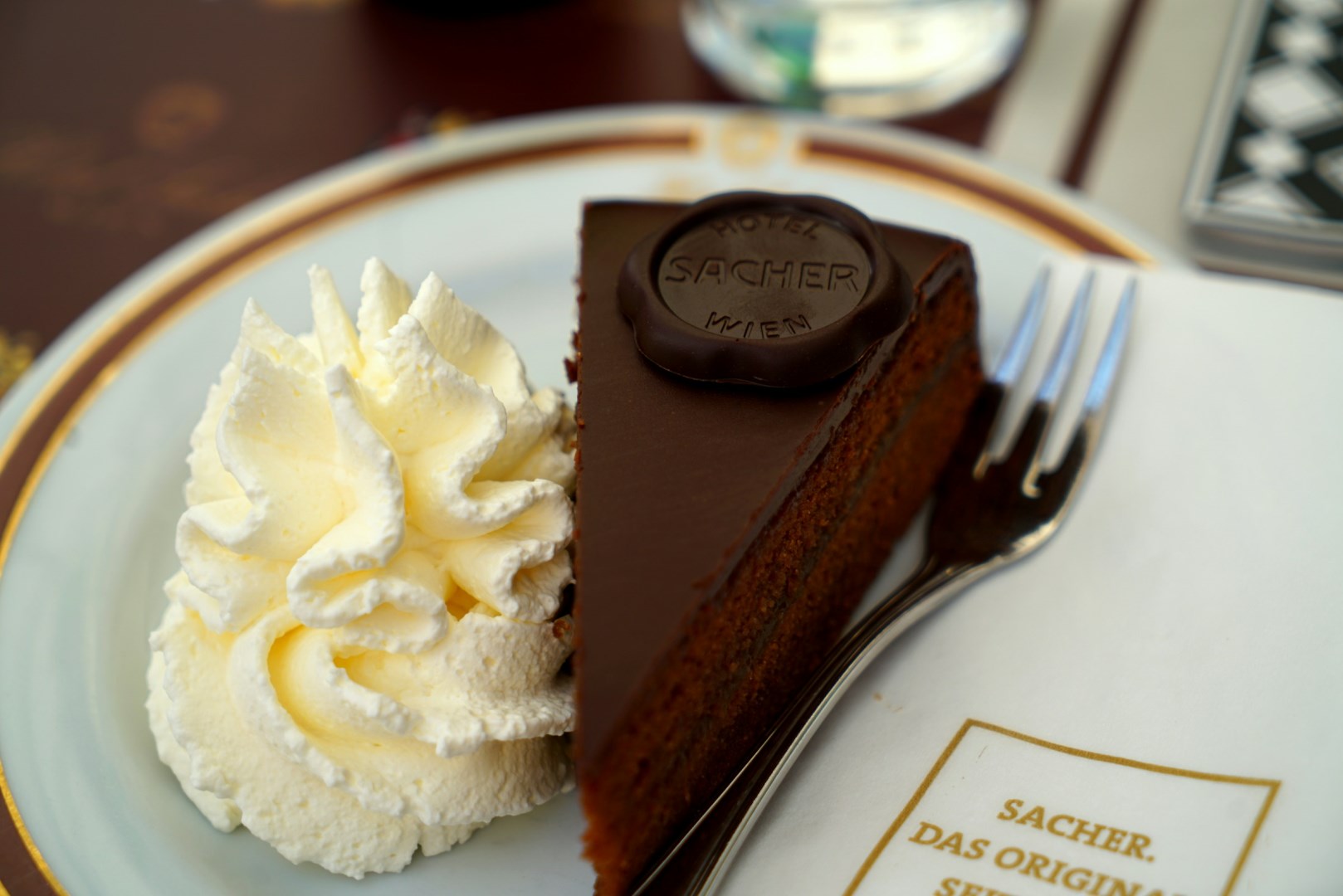
Vienna’s coffeehouse culture is recognized by UNESCO and is less about the drink and more about the experience. A single order often comes with a glass of water and permission to linger for hours. Traditional spots like Café Central or Café Sperl serve layered cakes like Sachertortz and Topfentorte alongside newspapers and marble tabletops. It’s not unusual to see locals reading or writing for hours, as these cafés were once gathering places for thinkers like Freud, Trotsky, and Zweig.
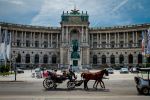
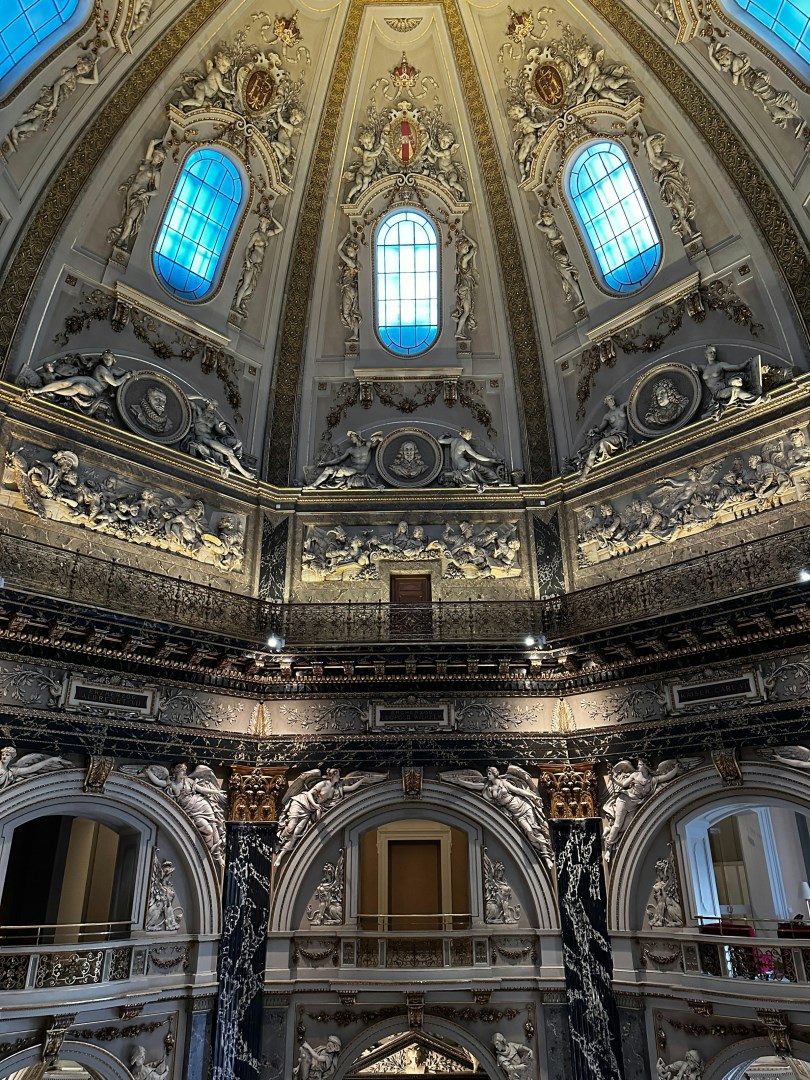
Kunsthistorisches Museum Wien is Vienna’s principal museum of fine and decorative arts, housed in a monumental building on Maria-Theresien-Platz. Its collections grew from the art holdings of the Habsburg dynasty and include Egyptian and Near Eastern antiquities, Greek and Roman objects, Renaissance and Baroque works, coins, and decorative arts. The Picture Gallery is especially noted for its works by Pieter Bruegel the Elder, including The Tower of Babel and The Peasant Wedding, alongside paintings by Titian, Rubens, Dürer, Vermeer, Rembrandt, Raphael, Caravaggio, and Velázquez. The Kunstkammer displays sculptures, precious objects, and unusual artworks collected by Habsburg rulers.
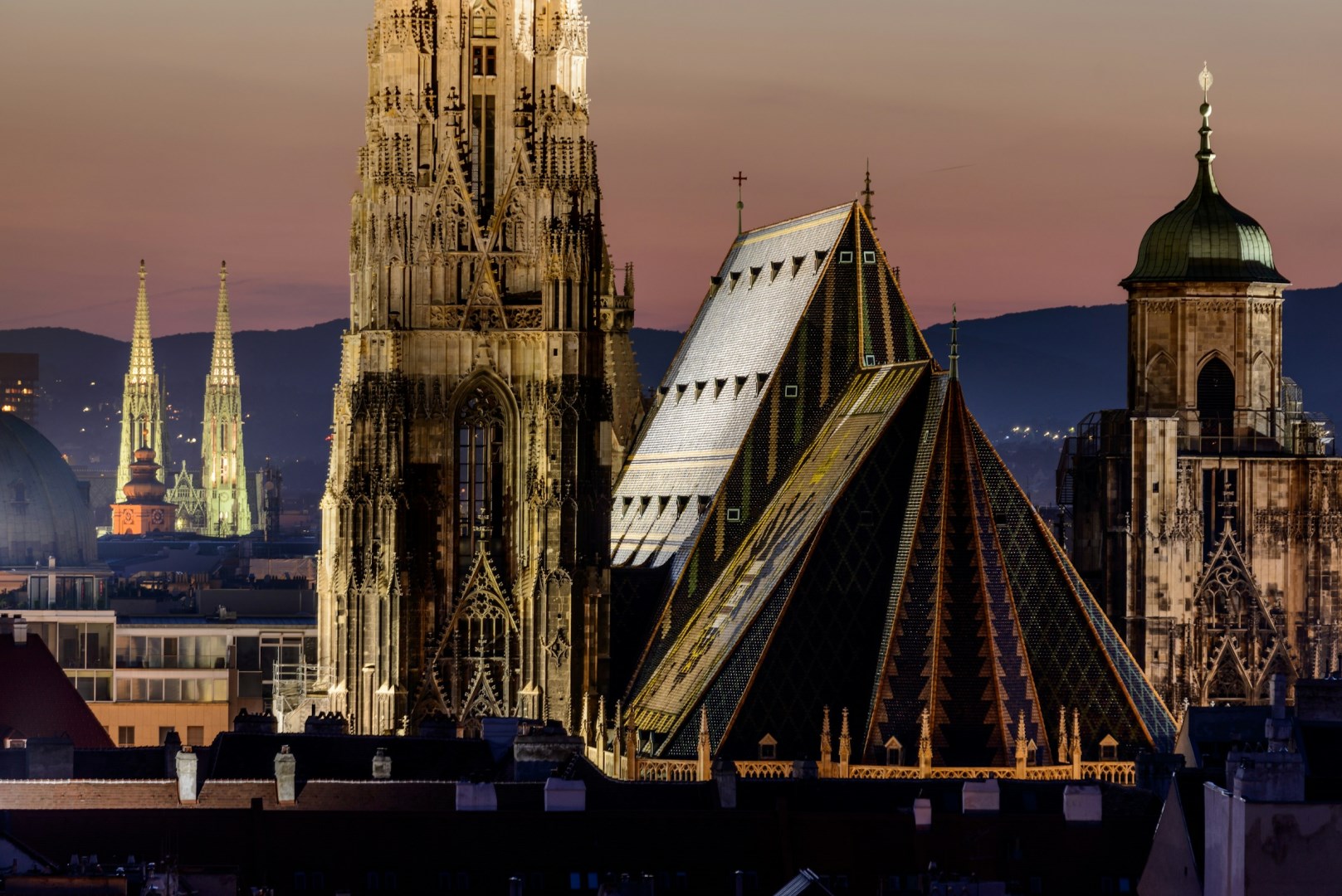
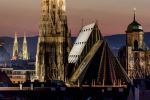
St. Stephen’s Cathedral, or Stephansdom, stands at the center of Vienna’s historic city district and is one of Austria’s most important Gothic buildings. Its 136-meter south tower is a defining feature of the city skyline, while the roof is covered with more than 230,000 glazed tiles arranged in colorful geometric patterns and heraldic designs. Inside, visitors can see ornate chapels, altars, and the cathedral treasury, while the catacombs contain the remains of Habsburg rulers, cardinals, and archbishops. The north tower houses the Pummerin bell, and the south tower can be reached by climbing 343 steps for views across central Vienna.


Pixie Dust & Paradise Travel, Inc.
Office:773.429.9166
https://www.facebook.com/pixiedustandparadisetravel
https://www.instagram.com/pixiedust_travel

COPYRIGHT PIXIE DUST & PARADISE TRAVEL, INC. 2016 AS TO DISNEY ARTWORK, LOGOS AND PROPERTIES: © DISNEY - SHIPS REGISTRY: THE BAHAMAS
Terms Of Use | Privacy Policy CST# 2063964-50 | FST# ST17873